
Most typography logos fail for one simple reason:
they’re just… text.
Clean font, nice spacing, maybe a color tweak—and that’s it.
But great typography logos do something different:
They turn letters into ideas.
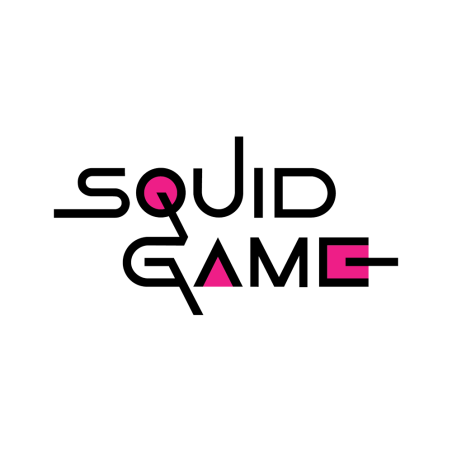
The Squid Game logo is a perfect example of this. It’s not flashy. It’s not complex. But it’s incredibly memorable.
Let’s break down what it teaches about typography logo design—and how you can apply it.
1. Don’t Just Use a Font—Design the Letters
At first glance, the logo looks like a simple sans-serif wordmark.
Look closer:
- The O is a circle
- The A is a triangle
- The E is built from geometric blocks
This is the key shift:
Typography becomes custom-built, not selected.
Why it matters:
- Instantly differentiates from generic fonts
- Creates a unique visual identity
- Makes the logo ownable
👉 If you can swap your font with another and nothing changes, your logo isn’t strong enough.
2. Embed Meaning Into the Letterforms
The shapes (○ △ □) aren’t just stylistic—they mean something.
They represent:
- Roles
- Structure
- The rules of the game
So the typography is doing double duty:
- Reading as text
- Communicating concept
👉 This is where typography becomes storytelling.
3. Simplicity Wins—But Only If It’s Intentional
There’s nothing complicated here:
- Basic shapes
- Minimal strokes
- Limited colors
But it works because:
Every element is deliberate.
The difference:
- Simple + random = boring
- Simple + meaningful = powerful
👉 Great typography logos feel effortless—but they’re actually very precise.
4. Create a Visual System, Not Just a Wordmark
The shapes in the logo don’t just live in the text.
They extend into:
- Costumes
- Set design
- Marketing visuals
This turns typography into a system.
Why that’s powerful:
- The brand becomes recognizable even without the name
- You create reusable visual language
- It scales across platforms
👉 The best typography logos aren’t just logos—they’re design systems.
5. Contrast Creates Emotion
The color pairing is simple but intentional:
- Pink → playful, childlike
- Black → dark, serious
That tension reflects the entire concept of the show.
Lesson:
Typography isn’t just about form—it’s about feeling.
👉 Color + shape + spacing = emotional impact
6. Make It Easy to Remember (and Recreate)
Here’s something most people overlook:
This logo is easy to:
- Draw from memory
- Recognize instantly
- Remix and reuse
That’s why it spread so fast.
👉 If people can recreate your logo, they’ll help distribute it for you.
7. Imperfection Can Be a Feature
The typography isn’t perfectly standard:
- Slightly off proportions
- Custom geometry
- Not fully symmetrical
And that’s intentional.
It creates a subtle sense of:
“Something feels a little off”
Which fits the theme perfectly.
👉 Sometimes, breaking perfection makes a logo more human—and more interesting.
Key Takeaways for Typography Logo Design
If you’re designing your own typographic logo:
- Customize at least one letter to create uniqueness
- Embed meaning, not just style
- Keep it simple but intentional
- Build a visual system, not just a wordmark
- Use contrast to create emotion
- Make it memorable enough to redraw
Final Thoughts
Typography logos don’t need icons to be powerful.
But they do need:
ideas built into the letters themselves
The Squid Game logo works because it turns the alphabet into a symbol system—something bigger than words.
And that’s the goal of great typography design:
Not just to be read… but to be remembered.

