
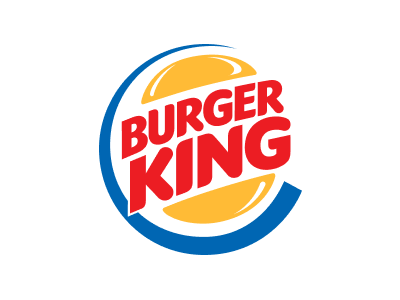
The Burger King logo is one of the most recognizable fast-food identities in the world—and for good reason. It perfectly balances literal storytelling, bold typography, and playful composition to instantly communicate what the brand is all about.
Let’s break down the design techniques that make this logo so effective.
1. Literal Visual Metaphor: “Say What You Sell”
At the core of the logo is a simple but powerful idea:
👉 The word BURGER KING is literally placed inside a burger.
Why it works:
- Immediate clarity → No guessing what the business does
- Memorable concept → The visual pun (text = filling) sticks in your mind
- Universal understanding → Works across cultures and languages
👉 This is a classic example of literal logo design, executed with creativity rather than cliché.
2. Typography as Structure
The bold, rounded red lettering does more than display the name—it becomes part of the illustration.
Why it works:
- Thick, soft shapes → Mimic the feeling of food (warm, soft, satisfying)
- Stacked layout → Creates a compact, burger-like form
- Custom styling → The typography feels unique and ownable
👉 The text isn’t separate from the icon—it is the icon.
3. Color Psychology: Appetite & Energy
The logo uses a classic fast-food palette:
- Red → stimulates appetite and urgency
- Yellow/orange (bun) → warmth, friendliness, comfort
- Blue accent → adds contrast and trust (and helps frame the logo)
Why it works:
- High contrast → extremely visible from a distance (important for signage)
- Emotional triggers → designed to make you feel hungry and excited
- Brand differentiation → the blue swoosh adds a unique twist vs. competitors
👉 Every color here is doing a job—nothing is decorative.
4. The Circular Motion: Energy and Modernity
The blue crescent swoosh wrapping around the burger adds movement.
Why it works:
- Dynamic feel → suggests speed, freshness, and activity
- Encapsulation → frames the logo like a badge or seal
- Modern touch → updates an otherwise simple concept
👉 This small addition prevents the logo from feeling static or outdated.
5. Simplicity + Scalability
Despite its playful design, the logo remains highly functional.
Why it works:
- Easy to recognize at any size → from billboards to app icons
- Strong silhouette → instantly identifiable even from afar
- Reproducible → works across packaging, signage, and digital
👉 Great fast-food logos must perform in real-world environments—and this one does.
6. Brand Personality Alignment
Burger King as a brand is:
- Fun
- Bold
- Slightly irreverent
- Focused on indulgence
The logo reflects this perfectly:
- Playful composition → not overly corporate
- Bold colors & type → confident and attention-grabbing
- Food-forward design → celebrates the product
👉 The logo doesn’t just identify the brand—it feels like the brand.
Key Takeaways for Designers
If you’re designing for consumer brands (especially food or SaaS), there are some powerful lessons here:
- Don’t be afraid of literal concepts—if executed creatively, they work
- Let typography become part of the visual system
- Use color strategically, not just aesthetically
- Add subtle elements (like motion or framing) to enhance energy
- Always align design with brand personality
Final Thoughts
The Burger King logo proves that great design doesn’t always need abstraction or minimalism. Sometimes, the most effective solution is the most obvious one—executed with clarity, boldness, and personality.

