
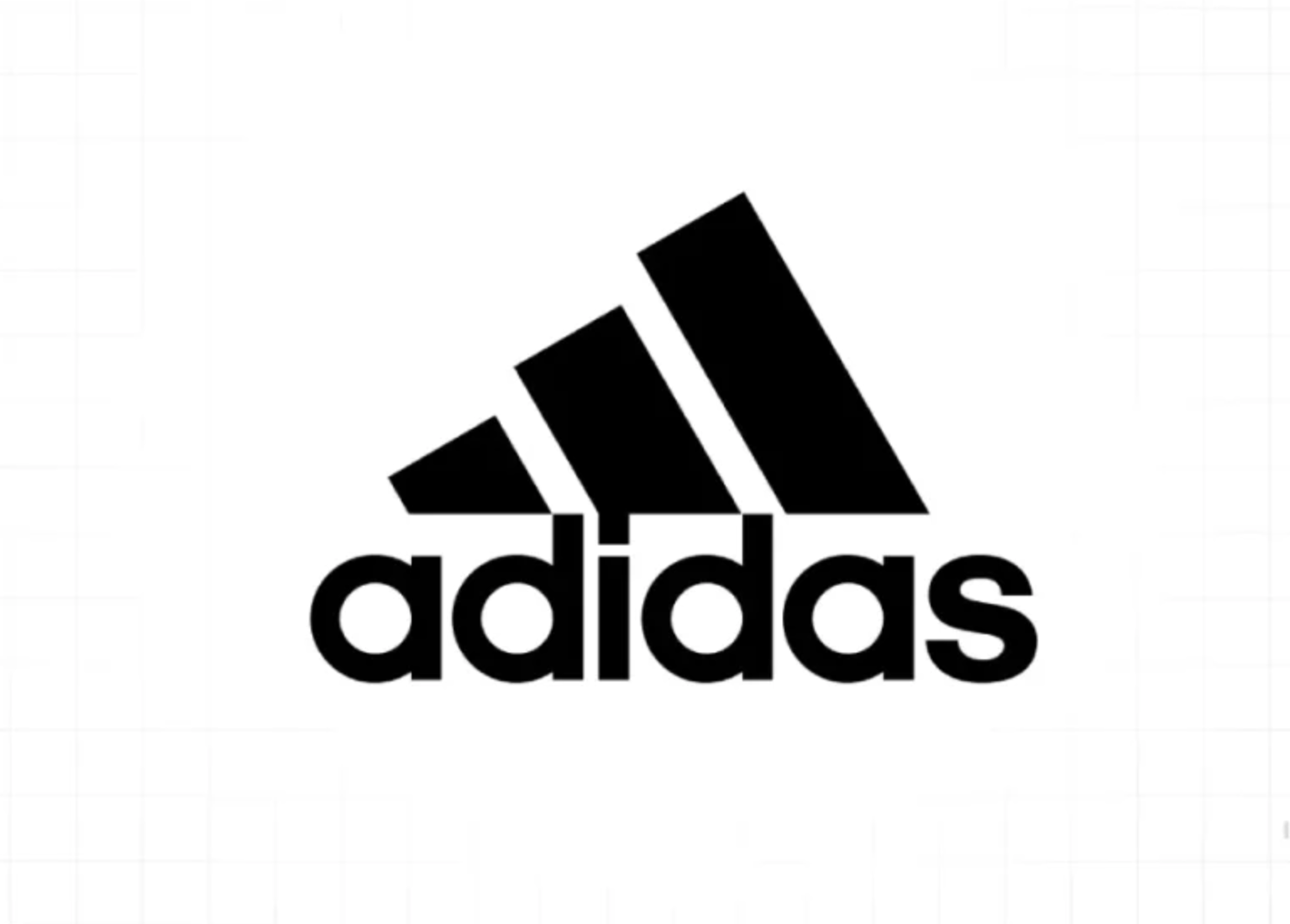
The Adidas logo is one of the most iconic examples of minimalist modern branding. At first glance, it’s just three black stripes—but behind that simplicity is a powerful combination of symbolism, scalability, and brand consistency.
🧩 1. The Three Stripes: A Simple, Ownable System
At the heart of Adidas branding is the three-stripe motif.
Why it works:
- Instant recognition → even without the word “adidas”
- Unique and ownable → Adidas has built decades of equity around this simple shape
- Flexible system → can be used on shoes, apparel, packaging, and logos
👉 Few brands own a visual element as strongly as Adidas owns the three stripes.
⛰️ 2. Hidden Meaning: The Mountain Concept
In this version of the logo, the stripes are arranged diagonally to form a mountain-like shape.
What it represents:
- Challenges
- Goals
- Progress
- Achievement
👉 It subtly communicates:
“Sport is about overcoming obstacles.”
This aligns perfectly with Adidas’ positioning in performance and athletics.
⚫ 3. Minimalism = Maximum Versatility
The logo uses:
- A single color (black)
- Basic geometric shapes
- Clean sans-serif typography
Why it works:
- Works at any size (from shoe tags to billboards)
- Easy to reproduce across materials and fabrics
- Timeless—not tied to trends
👉 This is textbook functional design for global brands.
🏃 4. Strong Sense of Movement
Even though it’s static, the logo feels dynamic.
Why:
- Diagonal stripes create forward motion
- Uneven heights add visual progression
👉 It gives the impression of:
- Speed
- Momentum
- Athletic performance
🔤 5. Typography: Clean and Supportive
The lowercase “adidas” wordmark is simple and modern.
Why it works:
- Doesn’t compete with the icon
- Feels approachable (lowercase vs uppercase)
- Highly legible
👉 The logo system works both:
- With icon + text
- Icon alone (very important)
🧠 6. Brand System, Not Just a Logo
One of the smartest things Adidas did:
👉 Turn the stripes into a brand system, not just a logo.
You’ll see them:
- On shoes
- On clothing sleeves
- As patterns
- As design elements in marketing
👉 This creates consistent brand recognition everywhere.
When This Style Should Be Used
✅ Best Use Cases
- Sports & performance brands
- Apparel brands
- Modern lifestyle brands
- Any brand needing scalability + consistency
❌ Not Ideal For
- Highly expressive or artistic brands
- Story-driven or mascot-based identities
- Brands needing emotional warmth over precision
Key Takeaways
If you’re designing a logo inspired by this approach:
- Create a simple, repeatable visual element
- Build a system, not just a mark
- Use geometry to convey meaning
- Design for real-world application first
- Aim for something that works even without text
Final Thoughts
The Adidas logo proves that great branding isn’t about complexity—it’s about clarity and consistency over time.
Three stripes.
That’s all it takes.
And yet, it communicates performance, movement, and identity across the entire world.

